
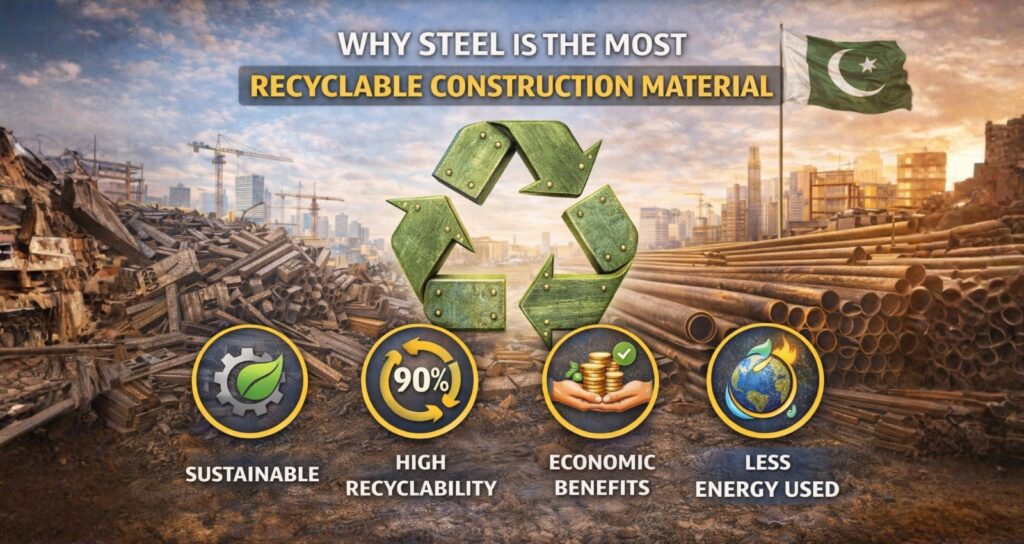
Steel is the backbone of modern construction. And one of the main reasons for steel’s dominance is that it’s the most recyclable construction material. Across Pakistan and worldwide, rising housing, infrastructure, and industrial projects are increasing demand for materials that are strong, fast to build, and more environmentally friendly.
Builders and engineers now choose steel not only for its strength but because steel’s recyclability cuts waste, saves energy, and lowers long-term costs. If you still have concerns about this, don’t worry. In this guide, we’ll discuss in detail why steel is the most recyclable construction material.
Understanding Steel as a Sustainable Material
What sets steel apart from other construction materials is its long-lasting strength and production cycle, which keeps it new without losing value. Unlike wood (which decays), concrete (which breaks apart), and many plastics (which downcycle), steel can be melted and reformed repeatedly while keeping its mechanical properties.
That means fewer raw materials are mined, less landfill is generated from demolition, and a more predictable supply for builders. It’s one of the primary reasons why engineers and green builders worldwide prefer materials that reduce waste and lifecycle emissions.
Steel Can Be Recycled Infinitely Without Losing Strength
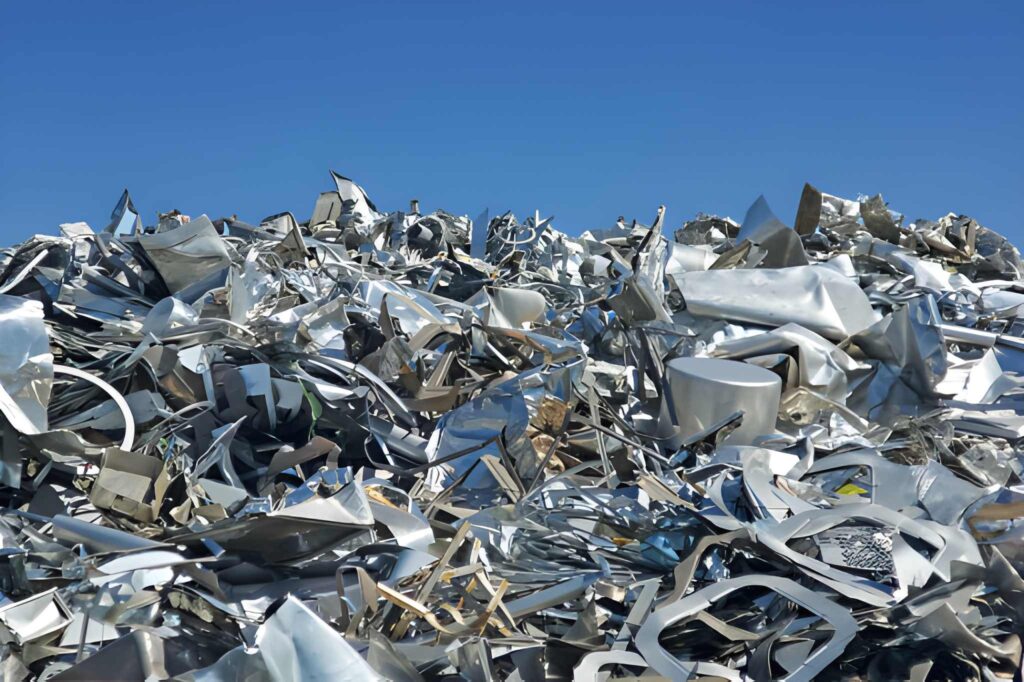
The core fact is simple: steel can be recycled hundreds of times without significant loss of strength or performance. When scrap steel (from demolished buildings or manufacturing leftovers) is collected, it is melted down, impurities are removed, and the molten metal is cast into new billets or steel products.
This loop does not weaken the metal the way repeated recycling does to many other industrial materials, such as plastics. Steel’s crystal structure and alloying processes allow its mechanical properties to be restored appropriately after each cycle.
This means a steel beam from a 50-year-old building can be recycled and remanufactured into new rebar, beams, or plates that meet modern standards. For construction stakeholders, infinite recyclability creates a reliable secondary supply stream that stabilizes prices and reduces dependence on fresh ore. It’s also why steel is considered a preferred material for sustainable projects.
Steel Reduces Construction Waste and Environmental Impact
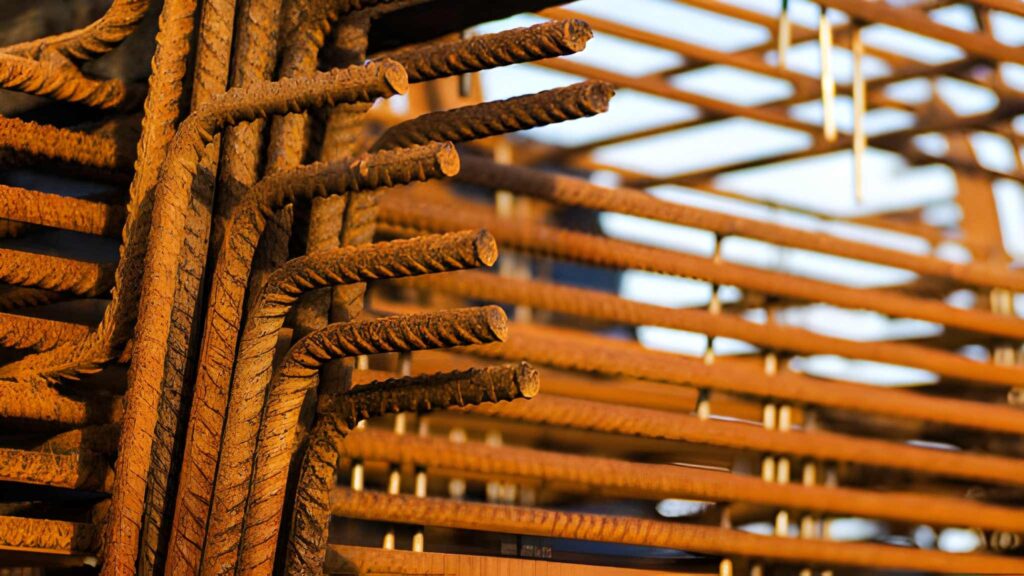
Demolition and construction generate significant waste volumes. Materials that can’t be reused or recycled often end up in landfills, driving disposal costs and environmental harm, but recycling steel changes that. Instead of sending demolished steel to waste, contractors can divert it for recycling, reducing landfill waste and lowering transport and disposal costs. On the supply side, reusing scrap minimizes the need to mine new iron ore and limonite, thereby protecting landscapes and reducing water and soil damage from extraction.
Its benefits are evident with less pressure on local landfills, fewer long-haul transports for raw materials, and lower waste management costs on construction sites. Recycled steel also supports compliance with green building ratings (local and international) by reducing embodied carbon and resource depletion per project.
Recycling Steel Saves Massive Energy in Production
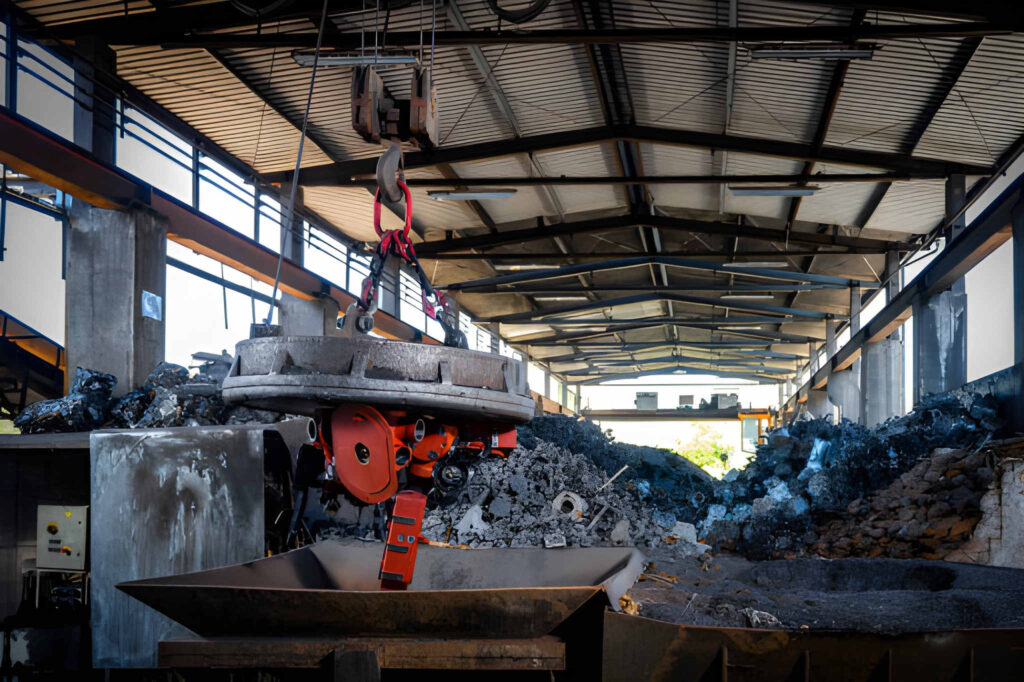
Energy savings are among the best benefits of steel recycling. Producing steel from scrap requires far less energy than making steel from raw ore, with industry estimates placing energy savings at roughly 60–70% when scrap is used. One of the primary reasons is that making steel from ore needs energy-intensive mining, coke production, and blast-furnace processing.
Lower energy use means lower CO₂ emissions and smaller fuel bills for mills, savings that can ripple down the supply chain to reduce construction costs. For builders seeking more affordable steel and manufacturers, this means competitive pricing and a smaller environmental footprint.
Steel Has a Long Life Cycle and Easy Reusability
Steel structures are long-lasting by nature. Properly maintained steel buildings and bridges often stays in top shape even after 50–100 years or more. It is important because it decreases the building’s overall ecological cost, delays replacement, and gradually lowers the demand for materials.
Beyond longevity, many steel elements can be reused directly, like beams, plates, braces, and frames that are taken from a dismantled structure, frequently need only minor straightening, cleaning, or re-cutting before they are fitted into a new project.
For contractors, reusability brings practical on-site benefits. Stainless steel components and bolted connections make removing them easier, so parts can be recovered unaltered. By doing this, demolition waste is decreased, and valuable components are given a second chance at life without being completely melted again. Steel frequently excels from a lifecycle-cost perspective because it requires fewer replacements and is simpler to refurbish.
Recycled Steel Maintains High Tensile Strength and Reliability
A key reason engineers trust recycled steel is its persistent strength. When steel is heated correctly and recast under supervision, its strength, flexibility, and toughness meet the same standards as fresh steel. This mechanical stability means recycled steel can be used in critical load-bearing applications such as rebar, structural beams, and bridge components without compromising performance.
Steel also resists common threats that damage other materials. It does not rot like timber, is non-combustible under normal conditions, and when finished correctly, it resists moisture and corrosion. That makes it a solid choice for different climates, from moist coastal zones to hotter regions.
For massive infrastructure projects such as flyovers and high-rise frames, recycled steel gives dependable performance and long-term durability. For developers who want long-lasting assets and engineers who must design in accordance with safety regulations, this dependency is important.
Recycling Steel Supports Cost Efficiency for Builders
Every project has a cost, and because recycled steel is less expensive than virgin ore and requires less energy to produce, it reduces the cost of overall project. On top of that, cheaper manufacturing supplies mean cheaper mill prices for rebars, sections, and plates, with savings passed on to contractors and clients. Apart from pricing, recycled steel also helps on the site with consistent standards from factory-rolled parts, which decreases manufacturing time and reduces rework.
Faster fabrication and on-site assembly also mean projects finish sooner, reducing labour and overhead costs. Time savings, lower financing costs, and reduced disruption for neighbours are real advantages in busy Pakistani cities. Maintenance costs are also lower over the building’s life because steel’s strength and corrosion protection lessen the need for repairs.
Conclusion
No doubt, steel is the most important component of construction tools, and its recyclable properties make it unique. Above, we’ve shared several reasons supporting why steel is the most recycled construction material. These points can give you more understanding about the steel, its properties, and how beneficial it can be for not only the project holders but also for our environment, as it reduces waste.
FAQs
1. Is recycled steel as strong as new steel?
Yes, properly recycled steel becomes as strong as new steel.
2. How many times can steel be recycled?
There is no limit on how many times steel can be recycled.
3. Does using recycled steel save energy?
Yes, indeed, recycling steel can save energy.
4. Can steel parts be reused without melting?
Yes, many steel elements (beams, plates, frames) can be recovered and reused without melting.
5. Will recycled steel reduce my project cost?
Yes, recycled steel reduces project costs, which is why it is every project head’s top priority.
